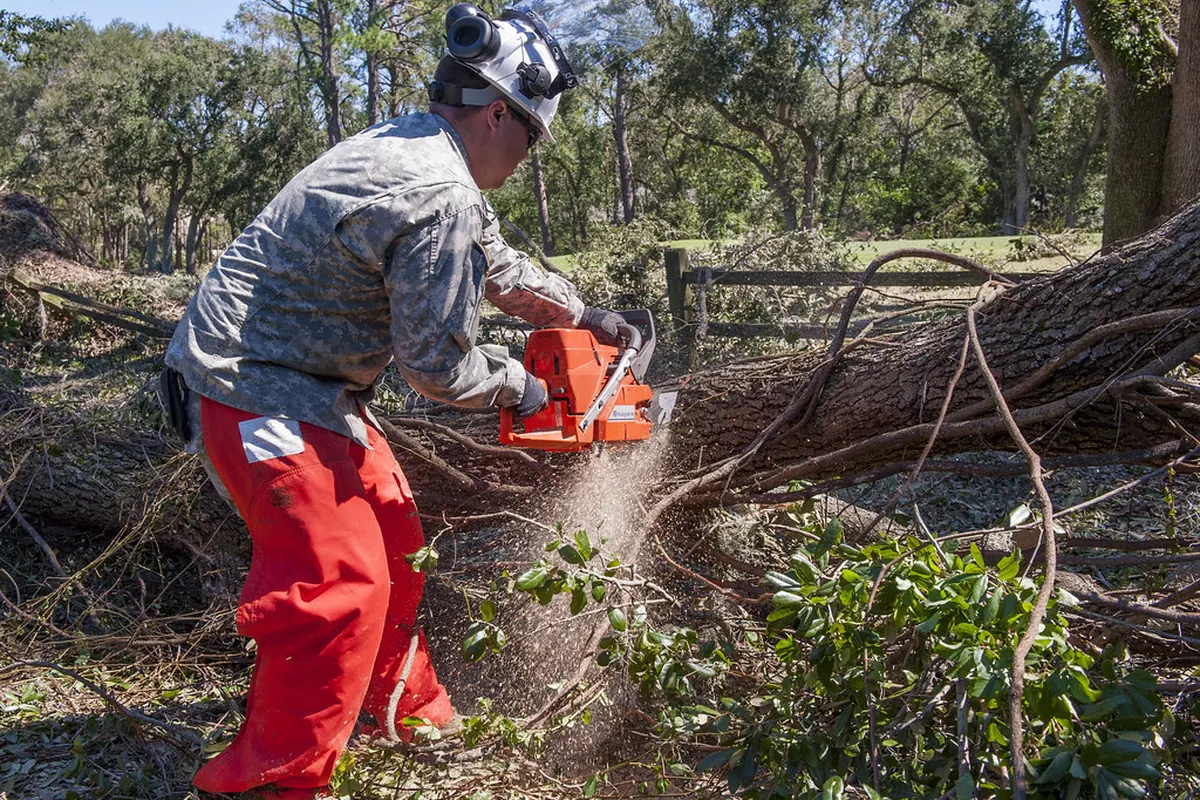
Helene changed how South Carolina thinks about trees
Hurricane Helene crossed the state on September 26–27, 2024, and the damage that followed was less about storm surge than about trees. Across the Upstate and Aiken County, tall pines and hardwoods came down on roofs, cars and power lines, and outages lasted for days or weeks. For many owners it was their first tree fall insurance claim, and many found that the first estimate missed a good deal of what the tree actually broke.
Trees fall for many reasons here: hurricanes and tropical storms, spring thunderstorms and tornadoes, and ice storms like the one that coated Aiken, the Midlands and the Pee Dee in February 2014. The claim process is similar in each case, and so are the disputes.
The first 48 hours
Safety comes first. Stay away from downed lines and call the utility. Once the area is safe, your policy almost certainly requires you to take reasonable steps to prevent further damage. Those steps are usually covered, and they also create the evidence your claim will rely on.
- Photograph the tree on the house from every side before anything is moved, including the root ball or broken trunk.
- Take wide shots showing the tree’s path and close-ups of where it struck the roof, walls, gutters and fences.
- Hire a tree service with a crane if needed, and ask for an itemized invoice listing crane time, crew hours and haul-off.
- Tarp the roof and board openings, and keep every receipt.
- Photograph the attic and interior ceilings right after removal, before drywall is torn out.
For a fuller room-by-room list, see our storm damage photo checklist.
What policies usually cover
Most South Carolina homeowners policies follow a similar pattern, though your wording controls.
Damage to the house and other structures
If a tree falls because of wind, ice or another covered peril and strikes your house, the damage to the dwelling is generally covered under Coverage A, subject to your deductible. Fences, sheds and detached garages fall under Coverage B. It usually doesn’t matter whose tree it was. If a neighbor’s healthy tree lands on your roof, your own policy typically responds. The picture can change if the tree was obviously dead or diseased and the owner ignored it, but that is a liability question for the insurers involved.
Removing the tree
Removing the part of the tree that is on or in the house is normally treated as part of the repair. Removing trees that fell without hitting a covered structure is a different matter. Many forms offer only a modest debris removal allowance — often around $500 per tree and $1,000 per loss in common forms — and only when a tree blocks a driveway or similar access. Check your policy for the exact figure.
Living elsewhere
If the house can’t be lived in, Coverage D may pay additional living expense. Keep hotel and meal receipts and a simple log of extra miles driven.
Where estimates fall short
The first adjuster estimate on a tree claim is often written from the ground or from photos, sometimes weeks after the storm when adjusters are stretched thin. Common gaps include:
- Hidden framing damage. A tree that cracks a rafter or truss can leave the roof deck looking intact from below. Broken framing needs repair, and an engineer’s letter may be warranted.
- Interior water damage. Rain through a puncture can soak insulation, drywall and flooring. Moisture readings taken early matter.
- Roof scope. A carrier may price a patch where the damaged area, shingle availability or local code calls for replacing whole slopes.
- Crane and access costs. On a tight lot in a Greenville mill village or a wooded Aiken subdivision, the crane can cost more than the carpentry.
- Matching. Siding, gutters and shingles that can’t be matched may need wider replacement.
- Overhead and profit. Tree claims typically involve roofing, framing, drywall, paint and electrical, which is the classic case for a general contractor.
When appraisal fits — and when it doesn’t
Start with a supplement. Send the adjuster the attic photos, the engineer’s letter if you have one, the tree service invoice and your contractor’s itemized estimate. Many tree claims are corrected at this stage.
If the carrier still won’t move, appraisal is well suited to tree claims because the disputes are usually about scope and price: how much framing is broken, whether slopes need full replacement, what a crane costs, and whether O&P applies. Our tree fall and ice storm appraisal service handles exactly these questions.
Appraisal is the wrong tool if the insurer says a tree removal limit doesn’t apply at all, or denies the claim on the ground that the tree fell from rot rather than wind. Those are coverage questions. A written request for the basis of the denial is a sensible first step, and a South Carolina attorney can advise on what comes next.
A short checklist before you call anyone
- Find the full policy, not just the declarations page, and note your deductible and any tree or debris limits.
- Gather every photo, invoice and receipt in one folder with dates.
- Get at least one itemized contractor estimate that includes framing, interior and access costs.
- Write down the claim number, adjuster name and each conversation.
Good records do not guarantee a higher payment, but they make every later step, from a supplement to an umpire’s decision, faster and fairer.